
Heart Rate Variability Explained: What It Is, Why It Matters, and How to Improve It Naturally
If you have ever felt constantly “on edge,” exhausted despite resting, or stuck in a state where your body never seems to fully relax, there is a good chance your nervous system is under strain.
One of the most powerful and underutilized ways we can objectively measure nervous system health is through heart rate variability, often referred to as HRV.
HRV has become a popular metric in the wellness and performance world, but most people still misunderstand what it actually tells us and how to improve it properly. In my clinical work and teaching, I use HRV as a window into how well someone’s nervous system is adapting to stress, recovering, and supporting long-term mental and physical resilience.
In this article, we will break down exactly what heart rate variability is, why it matters, what low versus high HRV means, and most importantly, how to improve it in a sustainable and nervous-system-supportive way.
If you prefer to learn by watching instead of reading, I also created a full YouTube video walking through HRV in a clear, practical way. You can watch that below.
The Most Overlooked Health Marker for Nervous System Support
What is heart rate variability?
Despite the name, heart rate variability does not mean how fast your heart is beating.
Heart rate variability refers to the variation in time between each heartbeat. Even if your heart rate is steady at, say, 60 beats per minute, the space between each beat is not perfectly even. In a healthy, adaptable nervous system, those small variations fluctuate constantly.
This variability is not a flaw. It is a sign of resilience.
Your heart is responding moment by moment to input from your nervous system, your breathing, your stress levels, your recovery state, and your environment. HRV reflects how well your body can shift between activation and relaxation.
The Nervous System and HRV: Why This Metric Matters
To understand HRV, we need to talk about the autonomic nervous system, which has two main branches, the sympathetic nervous system (fight or flight) and the parasympathetic nervous system (rest and digest).
A healthy nervous system is not one that is always calm. It is one that can move fluidly between states.
HRV measures this flexibility.
When your nervous system can quickly activate when needed and then return to calm efficiently, HRV tends to be higher. When your body stays stuck in a stress state for long periods of time, HRV tends to be lower.
This is why HRV has become such an important marker for..
• Stress resilience
• Burnout risk
• Mental health patterns
• Recovery and overtraining
• Emotional regulation
• Overall nervous system capacity
What does low heart rate variability mean?
Low HRV does not mean something is “wrong” with you, but it does indicate that your nervous system may be overloaded.
Common contributors to low HRV include:
• Chronic psychological stress
• Poor sleep quality
• Blood sugar instability
• Overtraining or under-recovering
• Inflammation
• Nutrient deficiencies
• Emotional suppression or prolonged anxiety
• Excessive caffeine or stimulant use
When HRV is consistently low, the nervous system is often spending too much time in sympathetic dominance. The body stays alert, vigilant, and tense, even when there is no immediate threat.
Over time, this can show up as:
• Anxiety or racing thoughts
• Poor focus and mental fatigue
• Difficulty sleeping or staying asleep
• Digestive issues
• Feeling wired but tired
• Emotional reactivity
What does high heart rate variability mean?
Higher HRV generally reflects a nervous system that is adaptable, responsive, and resilient.
This does not mean life is stress-free. It means the body can handle stress without getting stuck in it.
People with higher HRV often experience:
• Better emotional regulation
• More stable energy levels
• Faster recovery from stress
• Improved sleep quality
• Greater mental clarity
• Stronger physiological resilience
It is important to note that HRV is highly individual. Your goal is not to compare your number to someone else’s, but to improve your own baseline and trends over time.
How HRV Is Measured
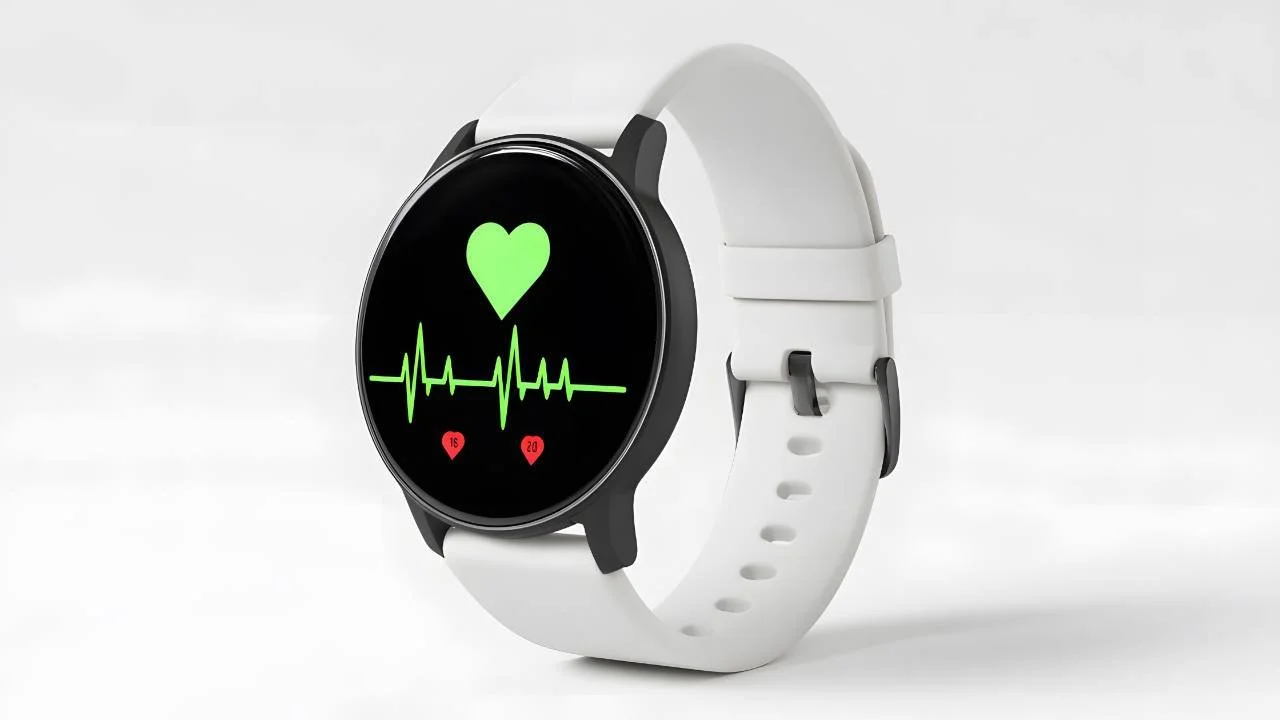
Most people measure HRV using wearable technology such as smart watches, fitness trackers, chest straps, and/or ring-based trackers.
These devices analyze the timing between heartbeats, often during sleep or at rest, to generate an HRV score.
While the exact number can vary between devices, trends over time are far more meaningful than any single reading.
Why HRV Is a Better Marker Than Heart Rate Alone
A resting heart rate can look “normal” while the nervous system is still under significant strain. HRV provides context.
Two people can have the same resting heart rate, but very different nervous system states. HRV helps us see whether the body is actually recovering, adapting, and regulating effectively.
This is why HRV is such a valuable clinical and performance tool when interpreted correctly.
How to Improve Heart Rate Variability Naturally
Improving HRV is not about forcing relaxation or stacking hacks. It is about creating the conditions where the nervous system feels safe enough to regulate.
Here are the most effective ways I support HRV in practice.
1. Regulate Your Breathing
Slow, intentional breathing directly stimulates the parasympathetic nervous system.
Nasal breathing, longer exhales, and diaphragmatic breathing are particularly powerful. Even a few minutes per day can create measurable improvements in HRV over time.
2. Prioritize Sleep Consistency
Sleep is one of the strongest predictors of HRV.
This means consistent bedtimes, dark environments, stable blood sugar before bed, and reducing late-night stimulation. Quality sleep allows the nervous system to reset and recover.
3. Train Smart, Not Harder
Exercise can improve HRV, but overtraining can dramatically reduce it.
Strength training, walking, mobility work, and strategic intensity all matter. Your body needs adequate recovery signals to adapt positively.
4. Stabilize Blood Sugar
Blood sugar dysregulation is a hidden stressor on the nervous system.
Skipping meals, excessive caffeine, or extreme dieting can push the body into a stress response, lowering HRV even if you feel “fine” mentally.
5. Address Emotional Load
Unprocessed emotions keep the nervous system activated.
Journaling, therapy, mindfulness practices, and somatic work all help the body discharge stress that is stored beneath conscious awareness.
HRV Is Not About Perfection
One of the biggest mistakes people make with HRV is turning it into another performance metric to obsess over.
HRV fluctuates. Life happens. Stress happens.
The goal is not a perfect number. The goal is capacity.
When you support your nervous system consistently, HRV improves as a side effect of regulation, not control.
Why HRV Matters for Mental and Emotional Health
From a nervous system perspective, anxiety, burnout, and emotional dysregulation are not personal failures. They are often signs of a system that has been under-resourced for too long.
HRV gives us a measurable, compassionate way to assess that load and respond appropriately.
This is why I place such a strong emphasis on nervous system education and regulation in my work. When the nervous system is supported, everything else becomes easier.
Final Thoughts
Heart rate variability is one of the most powerful tools we have to understand the state of the nervous system.
It reflects how your body handles stress, recovers from life, and builds long-term resilience. When you improve HRV, you are not just optimizing a number. You are improving your capacity to think clearly, feel emotionally stable, and function at a higher level without burning out.
If you want a deeper explanation and practical walk-through, I highly recommend watching the video above, where I break this down step by step.
Your nervous system is not something to fight. It is something to support.
And when you do, everything changes.