
Breakfast Foods That Are Keeping Your Nervous System Stuck in Fight or Flight
If you would rather watch me break this down visually, you can watch the full YouTube video on this topic HERE. But if you want a deeper, more detailed explanation of what is happening in your body and why your breakfast may be sabotaging your nervous system regulation, this article will walk you through it step by step.
These three morning foods might be keeping your nervous system stuck in fight or flight. And I am willing to bet you are eating at least one of them.
This is especially for you if you.. wake up already feeling wired or crash by mid-afternoon or even if your anxiety spikes before noon.
Your breakfast may be sending a stress signal to your brain before your day even starts.
Most people think nervous system dysregulation is about trauma or mindset alone. But what you eat or do not eat within the first hour of waking up directly impacts your cortisol rhythm, your blood sugar stability, and your stress response.
As a Naturopathic Doctor who works extensively in anxiety, brain health, and nervous system regulation, I can tell you with certainty that the first meal of your day sets the tone for your nervous system for the rest of the day.
Before we get into the three specific foods, you need to understand what is happening physiologically.
Why Breakfast Has a Direct Impact on Nervous System Regulation
When you wake up, your body naturally experiences a rise in cortisol. This is called the cortisol awakening response. It is normal and healthy. It helps you feel alert and ready for the day.
But what you eat during this window determines whether your nervous system stabilizes or shifts further into stress mode.
What you want to avoid in the morning are large spikes in blood sugar followed by crashes.
Here is what happens for many people.. They eat a high carbohydrate breakfast at 7 or 8 AM. Their blood sugar spikes. Insulin rises to move glucose into the cells. By 11 or 12 PM, blood sugar drops.
And it is that crash that destabilizes the nervous system.
When blood sugar goes too high or too low, your body perceives it as a threat. And when your body perceives a threat, it activates the sympathetic nervous system, your fight or flight response.
This affects your mood, your focus, your energy, and your emotional regulation.
Instead of a steady rolling hill of blood sugar throughout the morning, you get a sharp peak and a steep drop.
Blood sugar instability is one of the most overlooked root drivers of nervous system dysregulation.
Balancing blood sugar is one of the number one foundational strategies I focus on in my practice. And the changes people experience in their anxiety, mood, and resilience once this is addressed are profound.
Now let us talk about the three most common breakfast foods that I see triggering fight or flight in my patients.
Food Number One: Granola and Yogurt
This one surprises people.
Granola and yogurt are marketed as healthy. And they can be part of a balanced breakfast. But in their typical form, they often destabilize blood sugar and spike insulin.
Here is why.
Yogurt does not spike glucose dramatically, but dairy is highly insulinogenic. That means it stimulates insulin release significantly. Insulin is the hormone that allows your cells to use glucose for energy. Dairy sensitizes the pancreas to release more insulin than many people realize.
Over time, frequent high insulin stimulation can contribute to insulin resistance. And insulin resistance is strongly associated with blood sugar instability, inflammation, and nervous system dysregulation.
Now layer granola on top.
Granola is primarily carbohydrates and often contains added sugars. So now you have a meal that spikes insulin and delivers a high carbohydrate load at the same time.
The result? A significant insulin response. A blood sugar spike. Followed by a crash.
And that crash activates stress hormones.
This does not mean you can never have yogurt and granola again. But you need to optimize it.
How to Balance It
Add protein. Mix in protein powder.
Add chia seeds or flax seeds for healthy fats and fiber.
Add nuts or nut butter.
Add antioxidant rich berries and cinnamon.
Better yet, consider replacing it with a chia seed pudding made with high protein plant milk and added protein powder. This creates far more blood sugar stability.
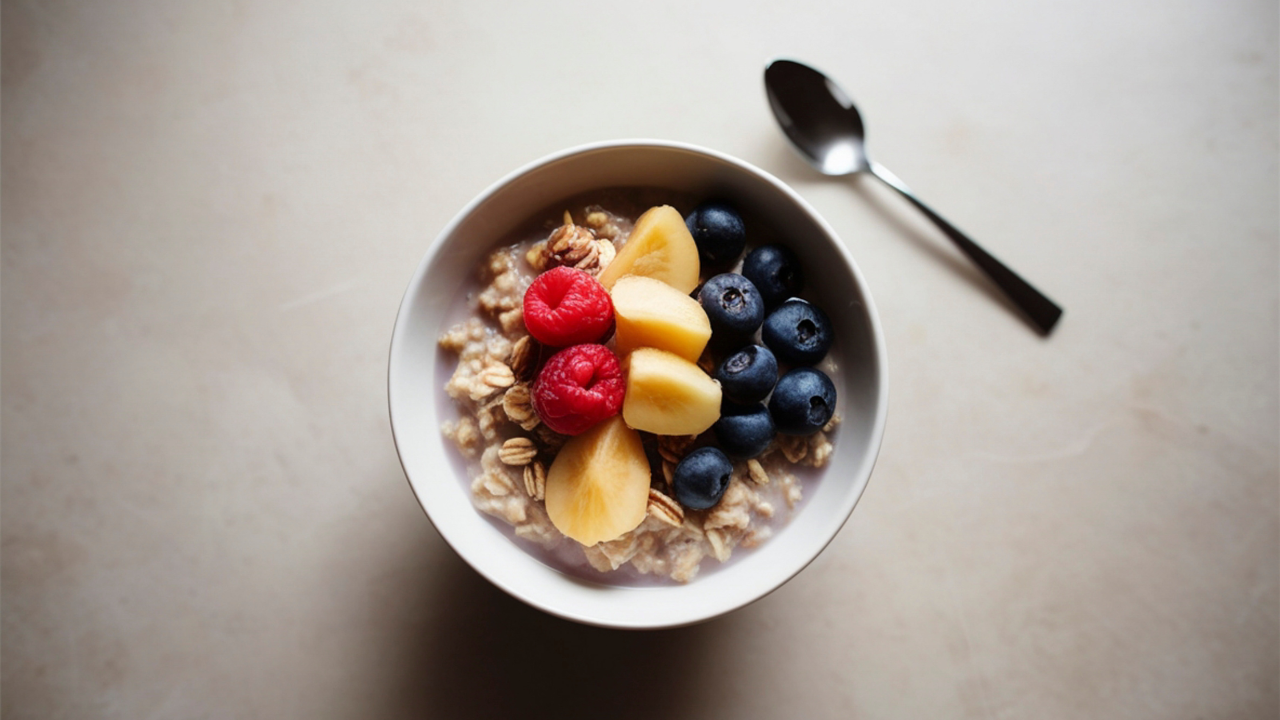
Food Number Two: Oatmeal
I love oatmeal. A warm bowl in the winter is comforting and nourishing.
But oatmeal, on its own, is essentially a bowl of carbohydrates.
Yes, it contains some protein. But it is primarily a carbohydrate source. If you are eating a full cup of oatmeal with little else, you are starting your day with a high glycemic load. And that means blood sugar spike followed by crash.
To support nervous system regulation, oatmeal must be balanced.
How to Optimize Oatmeal
First, reduce the portion. Instead of a full cup, try one third of a cup.
Second, increase protein dramatically. Add a full scoop of protein powder directly into the oats. Consider using a higher protein oat variety.
Third, add healthy fats. Nuts, seeds, nut butter.
Fourth, add polyphenolic foods. Berries, cinnamon, dark coloured fruits.
The majority of your calories should not be coming from the oatmeal itself. They should be coming from the protein and fats you add to it.
Savory oatmeal is another powerful strategy. Add eggs, egg whites, vegetables, and spices to transform it into a balanced meal.
When you shift oatmeal from a carb dominant meal to a protein anchored meal, your nervous system responds differently.
Food Number Three: Avocado Toast
Avocado toast became wildly popular. And avocado is a healthy fat. But avocado toast is often missing something critical, aka. protein.
If you are having two slices of toast with avocado, you are consuming mostly carbohydrates and fat. Even if you add two eggs, that is only about 12 grams of protein.
For nervous system stability, that is not enough.
I recommend 30 to 35 grams of protein at breakfast.
That amount of protein supports blood sugar stability, neurotransmitter production, and satiety. Protein provides the amino acids required to produce serotonin, dopamine, and other mood stabilizing brain chemicals.
How to Optimize Avocado Toast
Reduce the toast portion. Increase the protein portion.
Add half a cup of egg whites alongside your eggs.
Add a protein shake on the side.
Make protein the anchor and let the toast be secondary.
The Breakfast Formula for Nervous System Regulation
If you want to stabilize your nervous system in the morning, follow this formula.
First: 30 to 35 grams of protein.
This is non negotiable. Protein is the building block of your neurotransmitters. If you want calm, focus, and emotional resilience, you must supply your brain with amino acids.
Second: Healthy fats.
Your brain is approximately 60% fat. Your neurons rely on fat for proper signalling and communication. Healthy fats improve satiety and slow glucose absorption.
Examples include.. avocado, nuts and seeds, nut butters, eggs, fish, flax and chia seeds.
Third: Polyphenolic Foods.
Polyphenols are antioxidant compounds that reduce inflammation and support brain health. There is growing research on their neuroprotective effects.
Examples include.. berries, dark coloured fruits, green tea, extra virgin olive oil, leafy greens, red onions, artichokes, and flax and chia seeds.
Polyphenols help reduce inflammation, and inflammation is closely tied to anxiety and nervous system dysregulation.
Carbohydrates are optional. If you include carbohydrates, they should be balanced. Never eat naked carbs.
No plain toast with coffee.
No bowl of oatmeal alone.
No carb dominant breakfast without protein and fat.
Carbs must be dressed. They must come with protein, fats, and polyphenols.
Why This Matters for Anxiety and Burnout
If you feel chronically anxious, wired, reactive, or exhausted, do not underestimate the role of blood sugar and insulin in your nervous system state.
Insulin resistance is rising. Blood sugar instability is common. And both are deeply connected to mood regulation, inflammation, and cortisol balance.
Nervous system regulation begins with physiology.
When you stabilize blood sugar, cortisol patterns improve. When cortisol stabilizes, the nervous system becomes more resilient. When resilience improves, anxiety decreases.
Breakfast is not just a meal. It is a signal. It tells your body whether it is safe or under threat.
If you are serious about regulating your nervous system, start with your first meal of the day.
If you are looking for personalized support that matches your lifestyle and nervous system patterns, I encourage you to book a free discovery call with me HERE. We will assess your current habits, your stress physiology, and build a strategy that supports long term nervous system stability.
True regulation is built in the body first. And breakfast is where that process begins.